
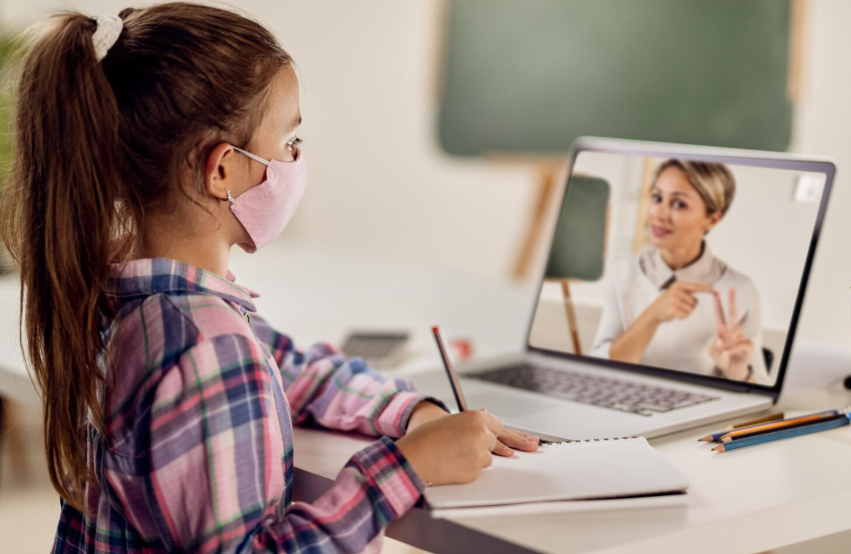
Understanding Distance Learning
Distance learning is an educational approach that allows students to study and engage with courses remotely, using digital platforms and online resources. This method has transformed traditional education by making learning more flexible, accessible, and adaptable to individual needs. Students can pursue knowledge from anywhere in the world, breaking geographical barriers and providing opportunities for people who may not have access to conventional classrooms.
Expanding Access to Education
One of the greatest advantages of distance learning is its ability to reach students regardless of location. Individuals living in remote areas or those with mobility constraints can access quality education through online platforms. This accessibility ensures that learners are not limited by physical boundaries and can participate in programs offered by institutions globally. Distance learning creates equal opportunities for education, fostering inclusivity and empowerment.
Enhancing Flexibility and Convenience
Distance learning provides students with the flexibility to balance education with personal and professional commitments. Learners can access course materials, submit assignments, and participate in discussions at their own pace and schedule. This convenience allows working professionals, parents, and students with other responsibilities to continue their education without disrupting daily routines. Flexibility enhances motivation and supports lifelong learning.
Encouraging Self Discipline and Responsibility
Studying remotely requires students to manage their time effectively and stay organized. Distance learning fosters self discipline, as learners are responsible for completing assignments, engaging with content, and preparing for assessments independently. Developing these skills contributes to personal growth, better time management, and a proactive approach to challenges, which are valuable traits for both academic and professional success.
Utilizing Technology for Effective Learning
Distance learning leverages technology to deliver content and facilitate interaction. Video lectures, interactive modules, discussion forums, and virtual classrooms enable students to engage actively with instructors and peers. Digital tools also allow access to research materials, libraries, and simulations that enhance understanding. The use of technology in distance learning makes education more interactive, engaging, and effective.
Supporting Diverse Learning Styles
Online education accommodates different learning preferences by providing a variety of formats, including text, audio, video, and interactive exercises. Students can choose methods that suit their strengths, making the learning process more efficient and enjoyable. Distance learning allows educators to design courses that address diverse needs, promoting deeper understanding and retention of knowledge.
Promoting Lifelong Learning and Skill Development
Distance learning encourages continuous education and professional development. Individuals can acquire new skills, earn certifications, and update knowledge without pausing their careers. This approach supports lifelong learning, enabling learners to adapt to changing job markets, technological advancements, and personal interests. Distance learning empowers individuals to grow academically and professionally throughout their lives.
Facilitating Global Collaboration and Networking
Students participating in distance learning often connect with peers and instructors from different countries and backgrounds. This exposure fosters global perspectives, cultural awareness, and collaborative skills. Online discussions, group projects, and virtual networking opportunities allow learners to exchange ideas, build relationships, and expand professional networks, enhancing personal and career growth.
Cost Effectiveness and Accessibility
Distance learning can reduce costs associated with transportation, accommodation, and traditional classroom resources. Many online programs offer affordable tuition, scholarships, and free learning materials. This cost effectiveness makes education accessible to a wider audience, allowing more people to invest in their development without financial strain.
Conclusion
Distance learning has transformed education by making it more accessible, flexible, and adaptable to individual needs. It expands opportunities for students worldwide, promotes self discipline, leverages technology, and supports diverse learning styles. By fostering lifelong learning, global collaboration, and cost effective education, distance learning empowers individuals to achieve academic and professional goals. This modern approach ensures that education is inclusive, convenient, and effective, preparing learners to succeed in a rapidly evolving world.