
Understanding Lifelong Learning in Today’s World
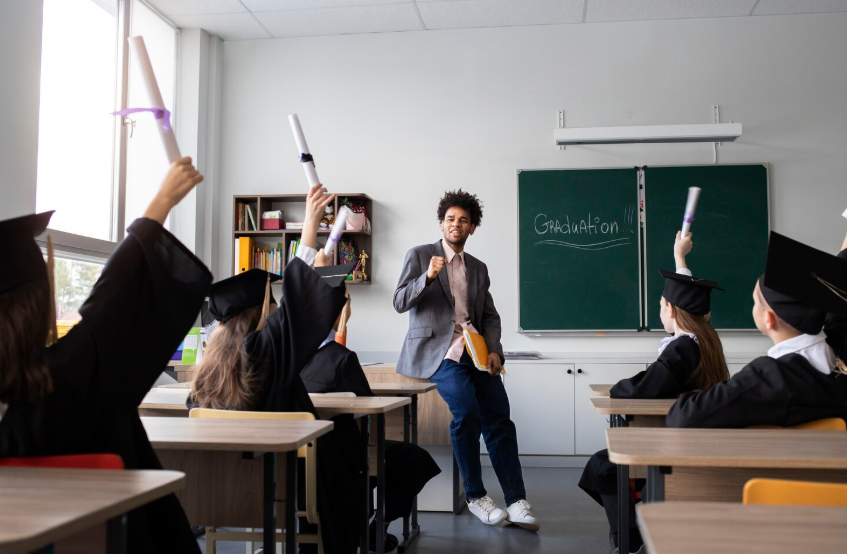
Learning does not end with school or college. In today’s fast changing world, people need to continue developing knowledge and skills throughout their lives. New technologies, evolving careers, and shifting social needs require individuals to stay curious and adaptable. This ongoing process helps people remain confident when facing new challenges and opportunities. By embracing continuous growth, learners can explore new interests, improve professional abilities, and enrich their personal lives in meaningful ways.
Building a Strong Foundation for Growth
A strong foundation begins with quality learning experiences in early life. These experiences shape how individuals think, solve problems, and interact with others. Supportive environments encourage curiosity, creativity, and a love for discovery. When learners feel safe to ask questions and try new ideas, they develop resilience and self belief. This foundation supports later stages of growth by helping individuals approach change with confidence and openness. The habits formed early often influence how people learn and adapt in adulthood.
Learning Beyond Formal Institutions
Growth does not only happen in classrooms. Many valuable skills are developed through everyday experiences such as volunteering, community activities, hobbies, and work. Informal learning allows people to apply knowledge in real situations and gain practical understanding. Online resources, workshops, and peer groups also provide flexible ways to learn outside traditional systems. These diverse pathways make learning more accessible and relevant to different lifestyles and goals. They also encourage individuals to take ownership of their personal development journey.
Supporting Motivation and Curiosity
Sustaining motivation is essential for lifelong learning. People are more likely to continue learning when they feel inspired and supported. Encouragement from mentors, family members, and peers plays an important role in building confidence. Setting realistic goals helps learners track progress and celebrate small achievements. Curiosity thrives when individuals are given the freedom to explore topics that interest them. This sense of choice creates a positive relationship with learning and reduces fear of failure.
Developing Skills for a Changing World
Modern societies value skills such as communication, critical thinking, creativity, and collaboration. These abilities help individuals adapt to new roles and responsibilities across different stages of life. Continuous learning supports the development of these skills by offering opportunities to practice in varied contexts. As workplaces evolve, people who invest in personal growth are better prepared to navigate transitions and contribute meaningfully. This adaptability strengthens both personal confidence and professional stability.
Creating Inclusive Learning Opportunities
Inclusive learning environments ensure that people from different backgrounds can participate and grow. Access to resources, supportive policies, and community programs helps reduce barriers that may limit participation. When learning opportunities are designed to respect diverse needs and experiences, more individuals can benefit from personal development. Education plays a key role in creating these inclusive pathways by promoting fairness, understanding, and shared progress. Through inclusive approaches, societies can support lifelong learning for all and build stronger, more connected communities.